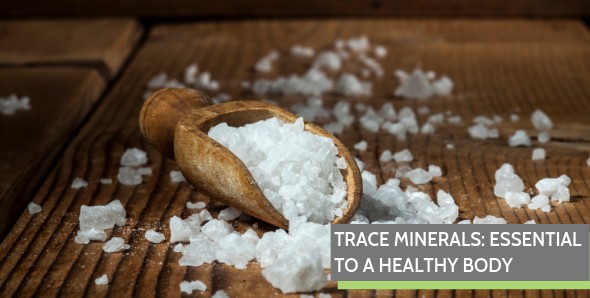
From the hair on your head to the bones that support you and the blood that runs through you, your body relies on minerals for optimal health.


From the hair on your head to the bones that support you and the blood that runs through you, your body relies on minerals for optimal health.

Most people know very little about the quality of the water they use. Even those of us who recognize the potential health risks in tap water often choose cost-effectiveness and convenience over superior quality.
Searching for information about your local water quality and how to improve it can make you feel like you're in chemistry class! Here's primer on why you should filter water and types of filtering systems.
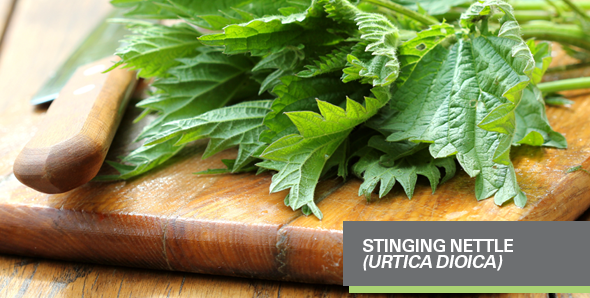
A European culinary favorite, Stinging Nettles spinach-like greens are remarkably nutritious. One cup of Nettle is abundant in calcium, iron and zinc, and contains ample amounts of magnesium, copper, selenium and potassium plus vitamins A and C.

Devil's Claw is indigenous to southern Africa where, for thousands of years, tribes prepared the herb as an internal remedy for
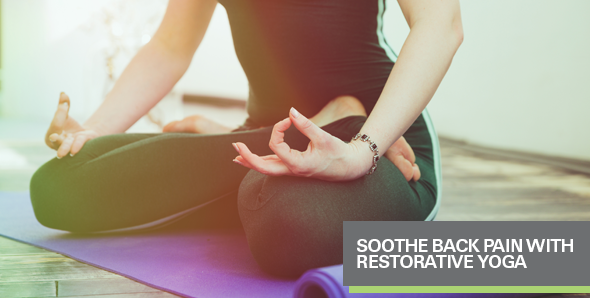
A mind-body practice, Yoga combines physical poses called asanas, breathing exercises, and guided meditation in a session that is typically 75-minutes long. For many people, yoga is an effective way to reduce inflammation, relieve stress and muscle tension, and change habitual posture patterns that result in back pain.
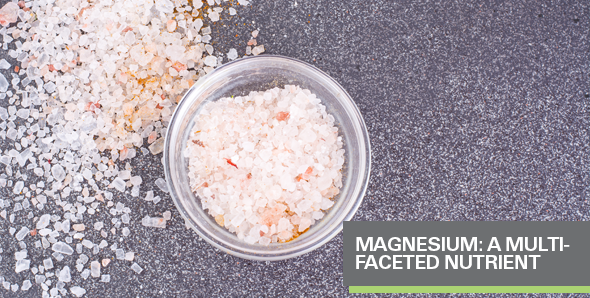
Recognized for its role in bone structure and proper function of nerves and muscles, Magnesium has a multi-faceted role in disease prevention and health promotion. It is necessary for almost every chemical reaction that takes place in the body!

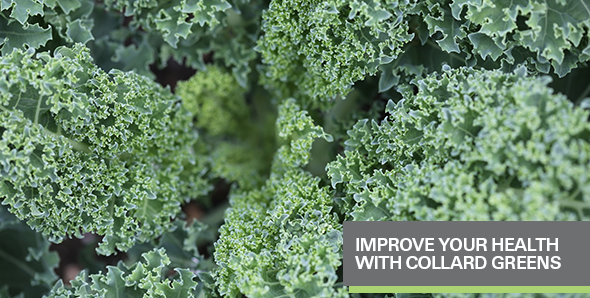
A traditional Southern embellishment to soups, stews, and entrées, collard greens provide an impressive array of key vitamins and minerals, including vitamins A, K, C, the B-vitamin folate, iron, calcium, and manganese.
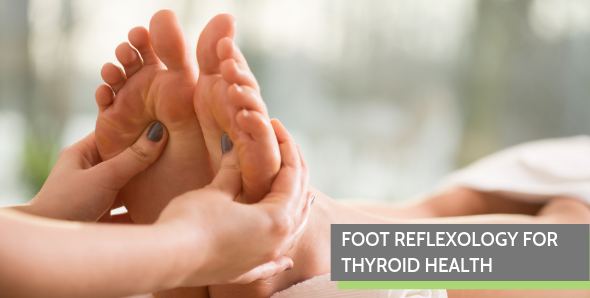
Reflexology is a gentle, complementary and alternative medical (CAM) therapy in which pressure is placed along reflex points on the feet, lower leg, hands, face, or ears. A Reflex Map identifies various reflex points and corresponding regions or systems throughout the body. A certified reflexologist uses specific patterns of touch and pressure to stimulate these points.
The theory that underlies reflexology is that stimulation of the reflex points opens the flow of energy (referred to as Life Force or Chi) and nutrients throughout the body. It is believed that reflexology taps into the body's natural healing process by enhancing the functioning of the lymphatic system (a major part of the immune system), which helps move fluids and waste products from within the tissues into the circulatory system, ultimately for excretion from the body.
By Gene Bruno, MHS
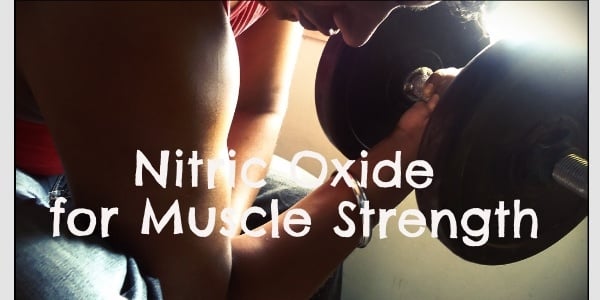
One of the latest categories of dietary supplements for athletes is nitric oxide (NO) boosters. In short, the concept is that nitric oxide helps regulate and direct muscle physiology by stimulating vasodilatation, which results in increased blood flow to working muscles. In turn, this leads to increased oxygen transport, delivery of nutrients to skeletal muscle, a reduction in blood pressure, helping to promote the repair of muscle fibers, and improvements in lactic acid clearance. So how does one boost NO levels?